News

Fusion Pro Square Review: The Best Deck Board Spacer Tool for Fast, Perfect Gaps
Fusion Pro Square Review: The Best Deck Board Spacer Tool for Fast, Perfect Gaps
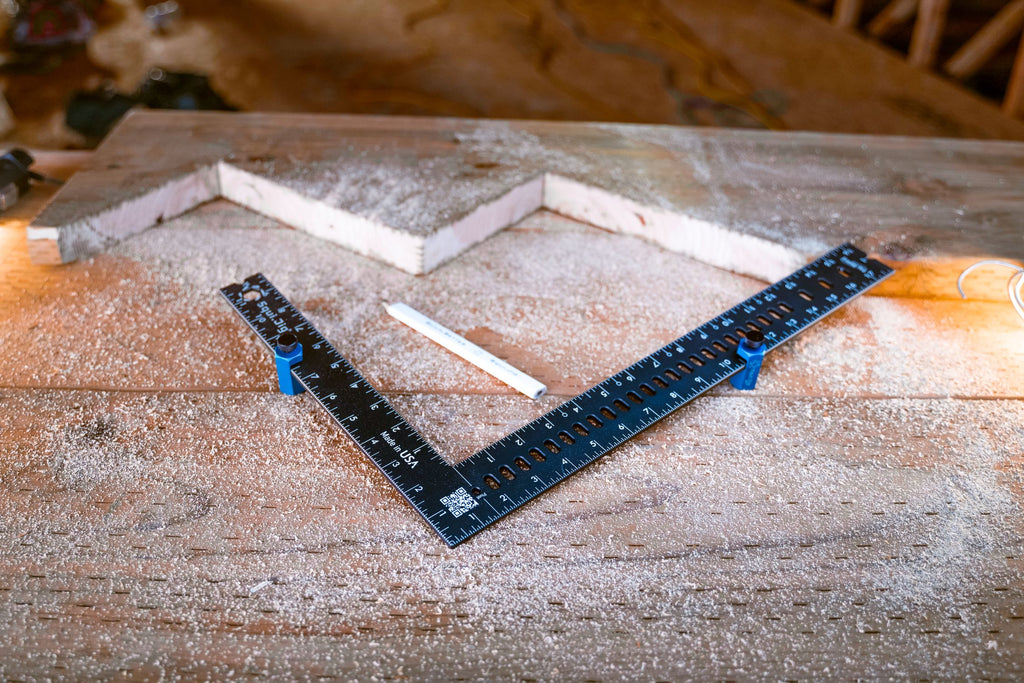
The Fusion Pro Square has quickly become one of the most useful tools in my kit — especially for deck building and board installation projects. If you’re looking for a reliable deck board spacer that actually speeds up your workflow, this tool delivers.
Why the Fusion Pro Square Stands Out
The standout feature is the built-in 3/16" blade on the Fusion Pro Square. I’ve been using it daily on my latest horizontal board project and it has saved me a huge amount of time.
“The 3/16 blade here on the Fusion Pro Square has been so handy.”
Instead of carrying around separate spacers or constantly measuring gaps, I can now use the Fusion Pro Square for perfect, consistent spacing every single time.
Perfect for Deck Boards & More
Whether you’re installing deck boards, exterior slat walls, shiplap, privacy screens, or interior accent walls, the 3/16" blade gives you uniform gaps without the hassle. Here’s exactly how I use it:
- Slide the 3/16" blade between the boards to set perfect spacing.
- Squeeze the boards down tight against the tool.
- Drive your screws or fasteners.
- Remove the square and repeat — every gap comes out identical.
This method works incredibly well for pressure-treated deck boards, composite decking, cedar, and most other decking materials. The result is clean, professional-looking spacing that matches the rest of the project perfectly.
More Than Just a Deck Board Spacer
The Fusion Pro Square isn’t a one-trick tool. It’s a heavy-duty speed square packed with layout features, making it ideal for framing, rafter layout, stair building, and general carpentry. The added 3/16" blade just makes it even more versatile for finish work and decking projects.
Who Should Buy the Fusion Pro Square?
- Deck builders looking for a fast, accurate deck board spacer
- Carpenters and DIYers installing slat walls or shiplap
- Anyone tired of makeshift spacing solutions
- Professionals who value tools that increase efficiency and quality
If you’re working on a deck or any project that requires consistent 3/16" gaps, this tool will quickly pay for itself in time saved and better-looking results.
Ready to Upgrade Your Builds?
Shop the Fusion Pro Square Now →
Have questions about using it for your specific deck or woodworking project? Drop a comment below — happy to help!
— SquiJig Hand Tools

Tools of the Trade
 Tools of the Trade
Squi.Jig 4 1/2-Inch Mini Pro Rafter Square
by ARON JONES
Aron Jones is co-founder and site supervisor of Big Dog Con
struction on Grand Manan Island, New Brunswick. Follow
him on Instagram: @bigdogconstruction.gm
PHOTOS BY ARON JONES
54 JLC • MARCH/APRIL 2026
JLCONLINE.COM

Step up your stair-gauge game

Above was written by Mark Petersen from Fine Home Building
Reprinted with permission © 2026, Fine Homebuilding magazine/Active Interest Media
Elevate Your Stair Layouts: Why Squi.Jig 3-Inch Framing Jigs Are a Game-Changer for Pros
If you've ever struggled with accurate stair stringer layouts, rafter cuts, or working with imperfect, waned lumber, you know how frustrating it can be when standard stair gauges just don't cut it. That's where the Squi.Jig 3-inch Framing Jigs come in — a premium upgrade built by builders, for builders.
These aren't your average tubular stair gauges. Crafted from lightweight, durable 1-inch diameter anodized aluminum, the Squi.Jig 3-inch models stand taller and longer than traditional options, delivering superior stability and precision on the jobsite.
As featured in Fine Homebuilding, these jigs shine when precision matters most. The longer design helps overcome the limitations of shorter gauges, ensuring your marks stay accurate from start to finish — no more compensating for wane or uneven boards. Lightweight yet rugged, they deliver pro-level results without adding bulk to your tool belt.
Whether you're framing a custom staircase, tackling roof assemblies, or ripping material on the saw, Squi.Jig Framing Jigs make the job faster, cleaner, and more reliable.
Ready to step up your game? Grab a pair of Squi.Jig 3-inch Framing Jigs today and experience the difference quality tools make.
Shop Squi.Jig 3-Inch Framing Jigs Now Pro tip: Sold as a pair — perfect for immediate use on your next project!
What are your go-to tricks for stair layouts? Drop a comment below — we'd love to hear how you're using tools like these on the job.
Happy building! SquiJig Team

Why Squi.Jig Framing Jigs vs Stair gauges
Why Framing Jigs and not stair gauges? Framing Jigs can do much more then just layout stairs when attached to your framing square. The main difference between Squi.Jig and other brand stair gauges is the height of the jig that is below the slot where the square sets. The common brass stair gauge is really short, which causes the jig to slip off the rounded edge of the lumber, or completely throw your layout off when the lumber or material has a chip or wane out of the edge of the material. The SquiJig Framing Jig's have a really tall body so if the material has rounded edges, or wane the jig still grabs really tight and gives you a consistent and accurate layout without any slipping or doubt.
The added height of the jig also allow for many additional uses that people don't usually use stair gauges for (on speed square to mark repetitive angles, on the front of the Skil saw to do quick rips, etc.)
Hold up you can put them on your saw? Well.. yes most saws and that is one of the design features that make this so great. How do I know if it will fit?
Lets go over that. Best way is look at your saw and note at how steep the plate is on the front, if its a small bevel vs a large like the corded skilsaw and mag saw is then chances are the jig will fit on the front for them quick narrow rips.
Need not to worry if your saw has to steep of bevel for rips with your jigs. There are more tricks that the Framing Jigs can do.. Like attaching to your rafter square to hold an angle when making repetitive marks or cuts. This is perfect for trimming rafter tales etc..
What's great is you can do more then layout stairs with the SquiJig Framing Jigs when attached to your framing square. Try placing your jigs both on the blade or tung of your square to create an edge perfect for laying out large material where a rafter square fall short because of small size.
Let us know how you use your jigs. Its rewarding to hear how the Framing Jigs have made your life better.
Email us: on our contact form